What Every Pool Owner Should Know Before Starting a Pool Renovation
For many homeowners, the swimming pool slowly becomes one of those things you stop noticing.
The surface gets a little rougher each year. The colour fades. Stains become harder to remove. Maybe the waterline tiles are starting to date the entire backyard. You tell yourself you’ll deal with it eventually — usually “before next summer.”
Then suddenly, years have passed and the pool no longer feels like the centrepiece it once was.
At Clearwater Pool Shop, we speak with pool owners across the Hills District every week who are considering resurfacing or renovating their pool but aren’t entirely sure where to begin. Some are worried about cost, others about how disruptive the process might be, and many simply don’t know what actually needs to be done versus what’s optional.
The good news is that renovating a pool doesn’t need to feel overwhelming. In fact, understanding the process early can help you make better decisions, avoid expensive mistakes and ultimately create a pool area you genuinely enjoy again.
One of the biggest misconceptions we see is people assuming pool resurfacing and pool renovation are exactly the same thing. While they’re closely related, they’re actually quite different.
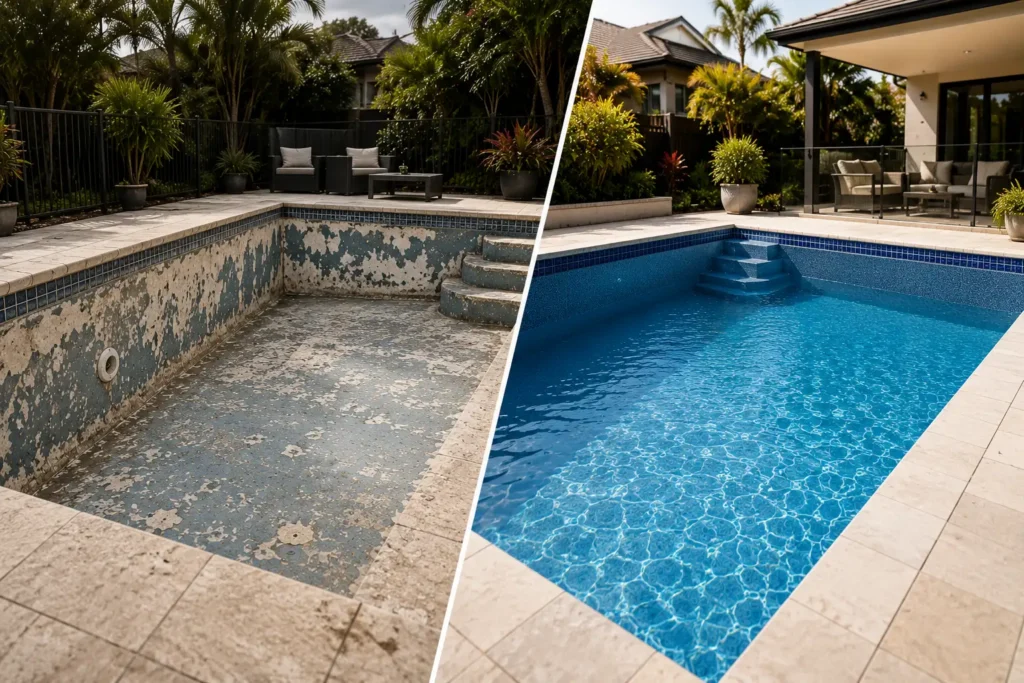
Pool resurfacing refers specifically to restoring or replacing the interior surface of the pool itself. Over time, every pool surface naturally deteriorates due to chemical exposure, weather conditions, age and general wear. What starts as minor fading or staining can eventually become rough textures, cracking, hollow spots or surfaces that are difficult to keep clean. Resurfacing focuses on correcting these issues and giving the pool a fresh, functional finish again.
A full renovation, on the other hand, goes much further. This can include new tiling, coping replacement, upgraded filtration systems, lighting improvements, plumbing work, pool reshaping or modernising the entire surrounding area. For some homeowners, resurfacing is enough. For others, the renovation becomes an opportunity to completely transform the backyard.
One thing we always encourage homeowners to pay attention to is timing. Most people only start thinking about renovating their pool once the weather warms up. The problem is that by the first few hot weeks of summer, renovation schedules are often at their busiest. This can lead to longer wait times and, in some cases, missing a large part of the swimming season while work is being completed.
That’s why autumn and winter are often the smartest times to start planning. Not only are schedules generally more flexible, but it also allows enough time to properly assess the condition of the pool, choose finishes carefully and complete the work before summer arrives again.
The resurfacing process itself begins with a detailed inspection of the pool. Every pool ages differently, and there’s rarely a one-size-fits-all solution. Some pools simply require a new interior finish, while others may reveal underlying issues such as structural cracking, failed waterproofing or ageing equipment that should be addressed at the same time.
Once the pool is inspected and a plan is in place, the pool is drained completely. This stage needs to be handled carefully, particularly with older pools or areas where groundwater pressure can affect the shell. Proper preparation is one of the most important parts of the entire resurfacing process, yet it’s also the stage many cheaper operators rush through.
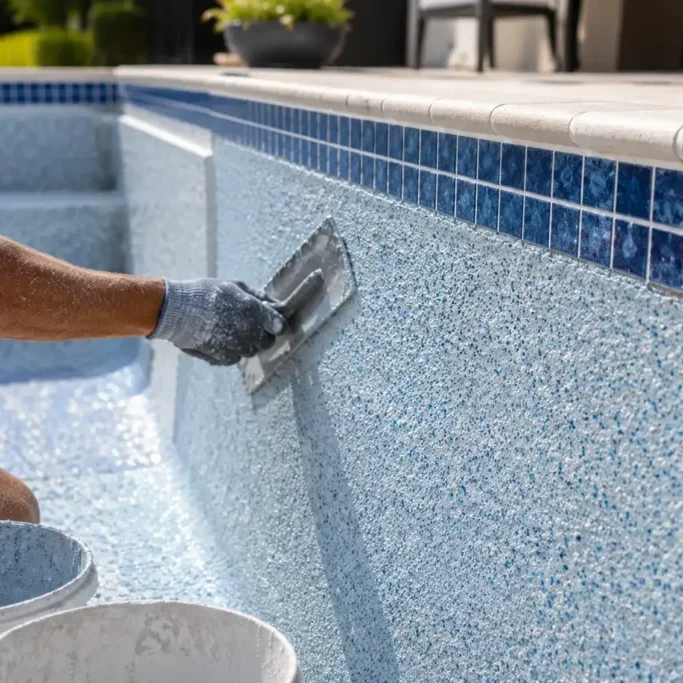
The existing surface usually needs to be chipped out, ground back or otherwise prepared to ensure the new finish bonds correctly. Any structural repairs should also be completed before the new surface is applied. This is one of the reasons why resurfacing quotes can vary so dramatically between companies — because the preparation work behind the scenes often determines how long the final result will actually last.
After preparation and repairs are complete, the new interior finish is installed. Depending on the style of pool and the desired result, this may involve pebblecrete, quartz finishes, fibreglass resurfacing or fully tiled interiors. Every material has different visual characteristics, textures, maintenance requirements and lifespans, so choosing the right finish is just as important as the installation itself.
Another important thing many pool owners forget to consider is how the renovation fits into the long-term maintenance of the pool. A new surface may dramatically improve the appearance of the pool, but ongoing water balance and regular maintenance are still essential to protecting that investment. Poor water chemistry is one of the fastest ways to shorten the lifespan of even the best resurfacing job.
It’s also worth considering whether ageing equipment should be upgraded during the renovation process. Pumps, filters, chlorinators and lighting systems often age alongside the pool surface itself. Completing these upgrades together can sometimes save money and avoid additional labour costs down the track.
One of the biggest mistakes homeowners make is waiting until problems become impossible to ignore. Small surface issues today can become much larger structural repairs later if left unattended for too long. What may have started as cosmetic deterioration can eventually affect waterproofing, water retention and overall pool integrity.
At the same time, it’s equally important not to rush into the cheapest quote available. Pool resurfacing is highly specialised work, and extremely low pricing can sometimes reflect shortcuts in preparation, lower quality materials or inexperienced workmanship. A resurfacing job that fails prematurely can end up costing significantly more to fix properly later.
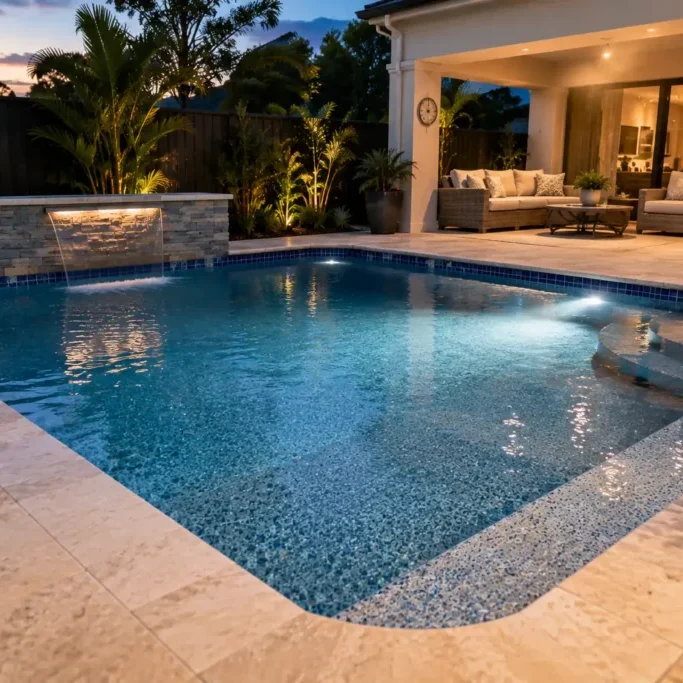
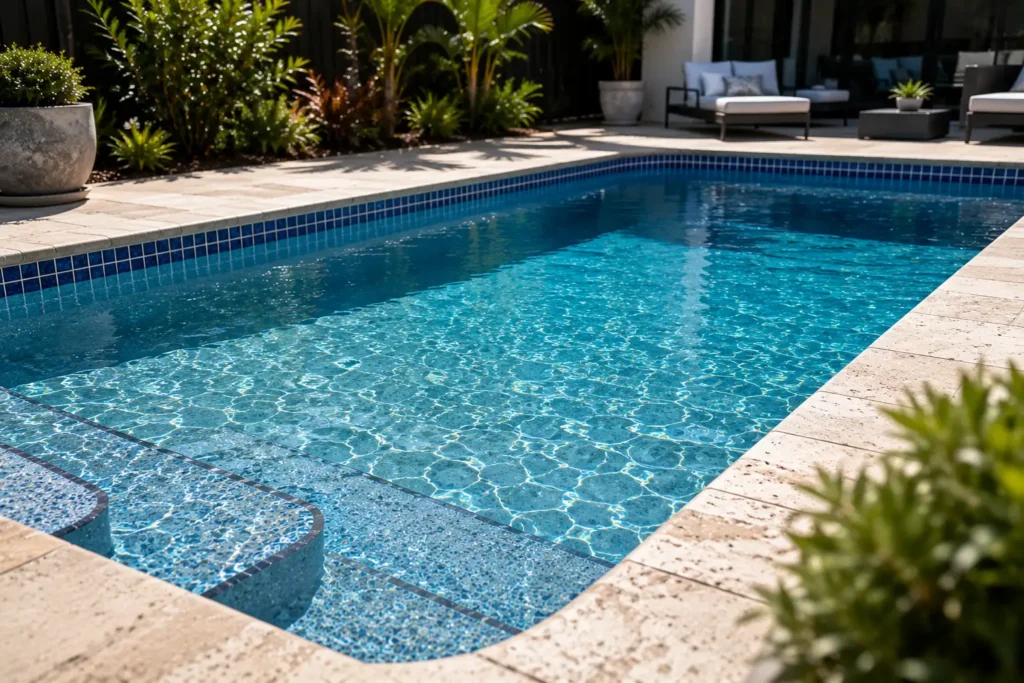
For many homeowners, resurfacing or renovating the pool becomes one of the most rewarding upgrades they make to their property. A refreshed pool can completely transform the feel of an outdoor space, improve comfort and usability, reduce ongoing maintenance frustrations and add significant visual appeal to the home.
Most importantly, it gives people a reason to enjoy the space again.
If your pool is starting to show signs of age, now may be the perfect time to start planning ahead before the summer rush returns. Whether you’re considering a simple resurfacing project or a complete renovation, understanding the process early helps you make confident decisions and avoid unnecessary surprises later on.
At Clearwater Pool Shop, we help homeowners across the Hills District with pool resurfacing, renovations, water testing, equipment advice and ongoing pool care. If you’d like advice on the condition of your pool or want to explore renovation options, our team is always happy to help.