Is Your Pool Surface Starting to Feel Rough? Signs Your Pool May Be Due for Resurfacing
Swimming pools are built to last, but the interior surface of a pool doesn’t last forever. Over time, even well-maintained pools begin to show signs of wear. In many parts of the Hills District, pools installed in the 1980s and 1990s are now reaching the stage where resurfacing becomes necessary.
Because deterioration happens gradually, many homeowners don’t immediately notice the change. The pool still works, the water is clear, and everything seems fine — but subtle changes in the surface can slowly develop into larger problems if they aren’t addressed.
If your pool has been around for a couple of decades, it may be worth taking a closer look at the condition of the interior surface.
Why Pool Surfaces Wear Out Over Time
A pool surface is constantly exposed to a combination of factors that slowly degrade the material over the years.
These include:
Pool chemicals
Chlorine, salt systems, and balancing chemicals are essential for maintaining healthy water, but over long periods they can gradually break down the surface material.
Sun exposure
Pools in Australia receive intense UV exposure for much of the year. This contributes to surface deterioration and fading.
Temperature changes
Seasonal changes cause the materials in and around the pool to expand and contract. Over time this can lead to hairline cracks and surface fatigue.
Water movement and usage
Regular swimming, brushing, cleaning equipment and general wear all contribute to gradual surface erosion.
Most pool interiors are designed to last somewhere between 15 and 25 years, depending on the original finish and how well the pool has been maintained.
Once that lifespan is reached, resurfacing often becomes the best way to restore the pool.
Common Signs Your Pool Surface May Be Deteriorating
Many homeowners first notice that something isn’t quite right when the pool simply doesn’t feel the same as it used to.
Here are some of the most common warning signs.
Rough or abrasive texture
A healthy pool surface should feel smooth under your feet. When the finish begins to break down, it often becomes rough or gritty. Some people describe it as feeling like sandpaper.
This occurs when the protective layer of the surface material begins to wear away.
Stains that won’t come off
Older pool surfaces often become porous, which allows minerals and organic matter to penetrate the finish.
As a result, stains may start appearing that don’t respond to normal brushing or chemical treatment.
Chalky or powdery residue
In some pools, deteriorating plaster surfaces begin to release fine particles into the water. This can sometimes appear as a chalky residue on the pool floor or walls.
Hairline cracks
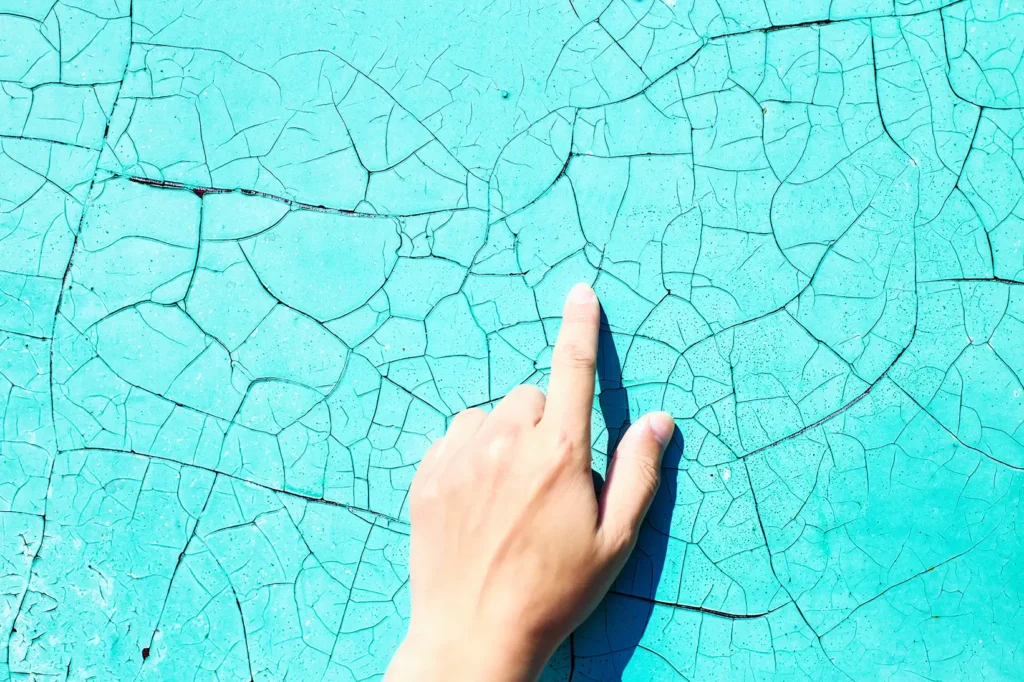
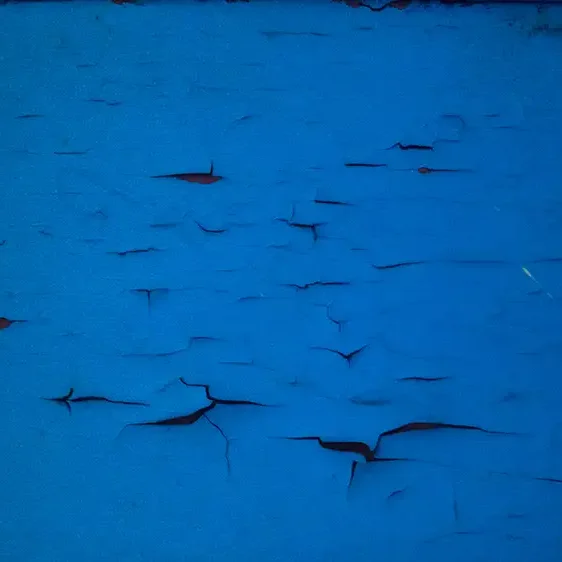
Small cracks can develop as the surface ages. While many are cosmetic, they can sometimes indicate deeper deterioration of the surface layer.
Flaking or delamination
In more advanced cases, the pool surface may begin to flake or separate from the underlying structure.
Increased maintenance
As surfaces become more porous and uneven, algae and debris can attach more easily. This can make pools harder to clean and maintain.
Why Resurfacing Can Extend the Life of Your Pool
Resurfacing restores the interior finish of the pool, creating a new protective layer over the structure.
A professional resurfacing project can:
- Restore a smooth swimming surface
- Improve waterproofing and structural protection
- Modernise the appearance of an older pool
- Reduce ongoing maintenance
- Extend the pool’s lifespan by many years
Modern pool finishes are also far more durable and visually appealing than older materials used decades ago.
For many homeowners, resurfacing transforms a tired pool into something that feels almost brand new again.
Pools in the Hills District: Why Age Matters
The Hills District experienced significant residential growth through the 1980s and 1990s, when backyard pools became a common feature of family homes.
Because of this, many pools in suburbs such as:
- Castle Hill
- Kellyville
- Baulkham Hills
- Bella Vista
- Glenhaven
- Dural
are now reaching the point where resurfacing becomes a logical next step.
Even if the pool still functions perfectly, the interior surface may simply be nearing the end of its natural lifespan.
When Should You Consider Getting Your Pool Checked?
If your pool is more than 15–20 years old, it’s a good idea to have the surface assessed periodically.
A professional inspection can help determine:
- whether the surface deterioration is cosmetic or structural
- if repairs may be sufficient
- whether resurfacing will be required in the near future
- how urgent the work may be
In many cases, catching problems early can prevent larger issues from developing.
What Happens During a Pool Condition Assessment
A pool inspection typically involves checking several areas of the pool, including:
Interior surface condition
Looking for roughness, deterioration, cracks, or staining.
Tiles and coping
Checking whether tiles are loose or coping stones are beginning to shift.
Structural condition
Assessing whether cracks are surface-level or may indicate deeper issues.
General pool health
Looking at the overall condition of the pool and surrounding structure.
The goal is simply to understand the condition of the pool and determine what the most sensible next step might be.
Free Pool Checks Across the Hills District
To help local homeowners understand the condition of their pool, Clearwater Pool Shop offers Free Pool Checks across the Hills District.
During the check, the pool is assessed for:
- surface wear and roughness
- cracks or deterioration
- tile and coping issues
- signs that resurfacing may be needed
The aim is to provide clear, honest advice about the pool’s condition and whether resurfacing is required now, later, or not at all.
Final Thoughts
Pool resurfacing isn’t something homeowners think about often, but it’s a natural part of owning a pool over the long term.
If your pool surface is starting to feel rough, looks stained, or is showing signs of wear, it may simply be time to have it checked.
Understanding the condition of your pool is the first step toward deciding what to do next.